
Built for the Future: How TeraWulf is Redefining Sustainable Infrastructure
At TeraWulf, we believe that building the future starts with taking care of the places we call home. Beyond powering high-performance computing, we commit to making our operations cleaner, safer, and more sustainable for the communities around us. From reclaiming materials to cutting emissions, we’re continually looking for ways to reduce our environmental impact and improve daily life for our neighbors.
Let’s take a closer look at how these efforts come to life across our sites.
Lake Mariner Site: Material Recovery and Reuse
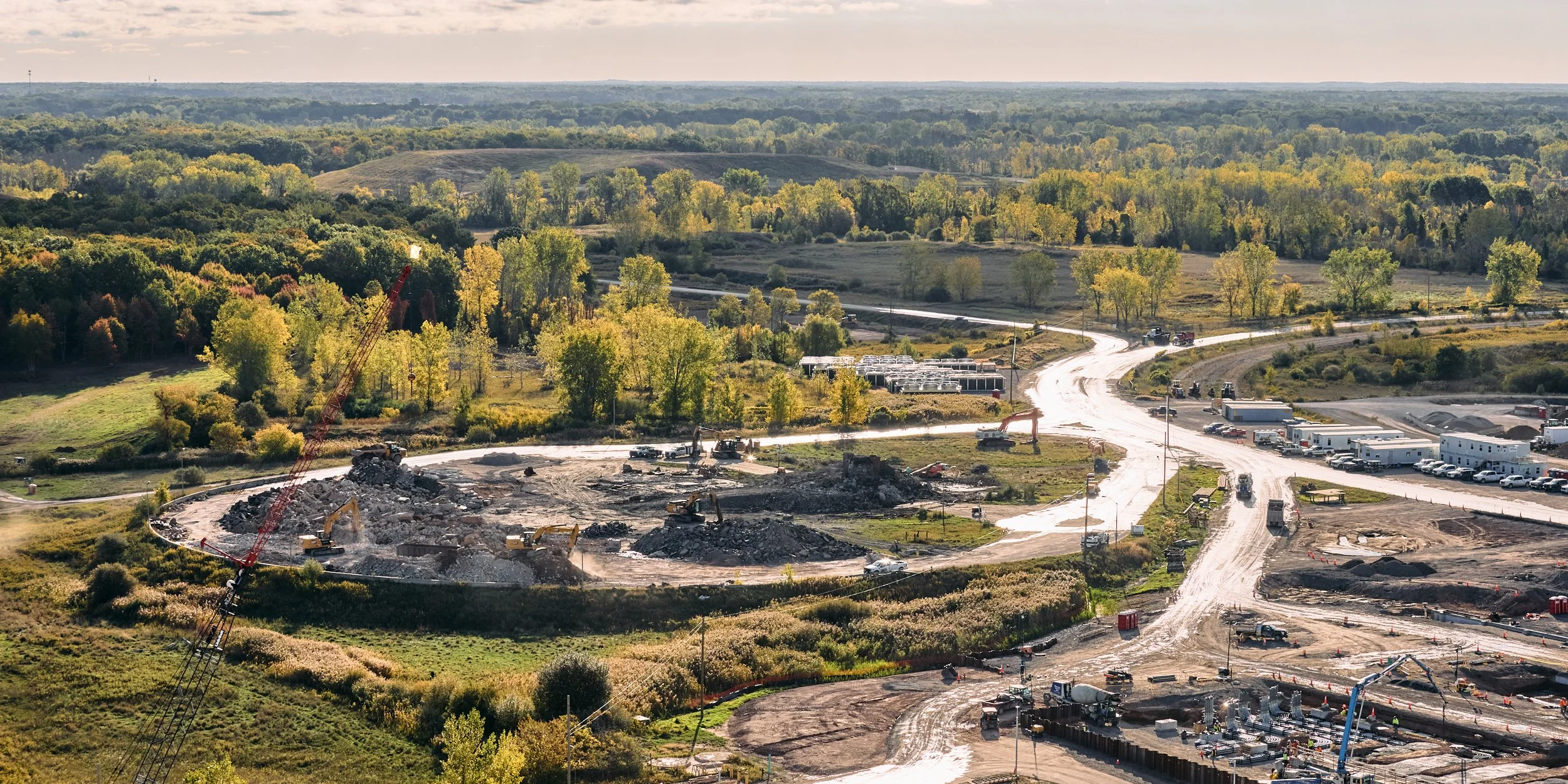
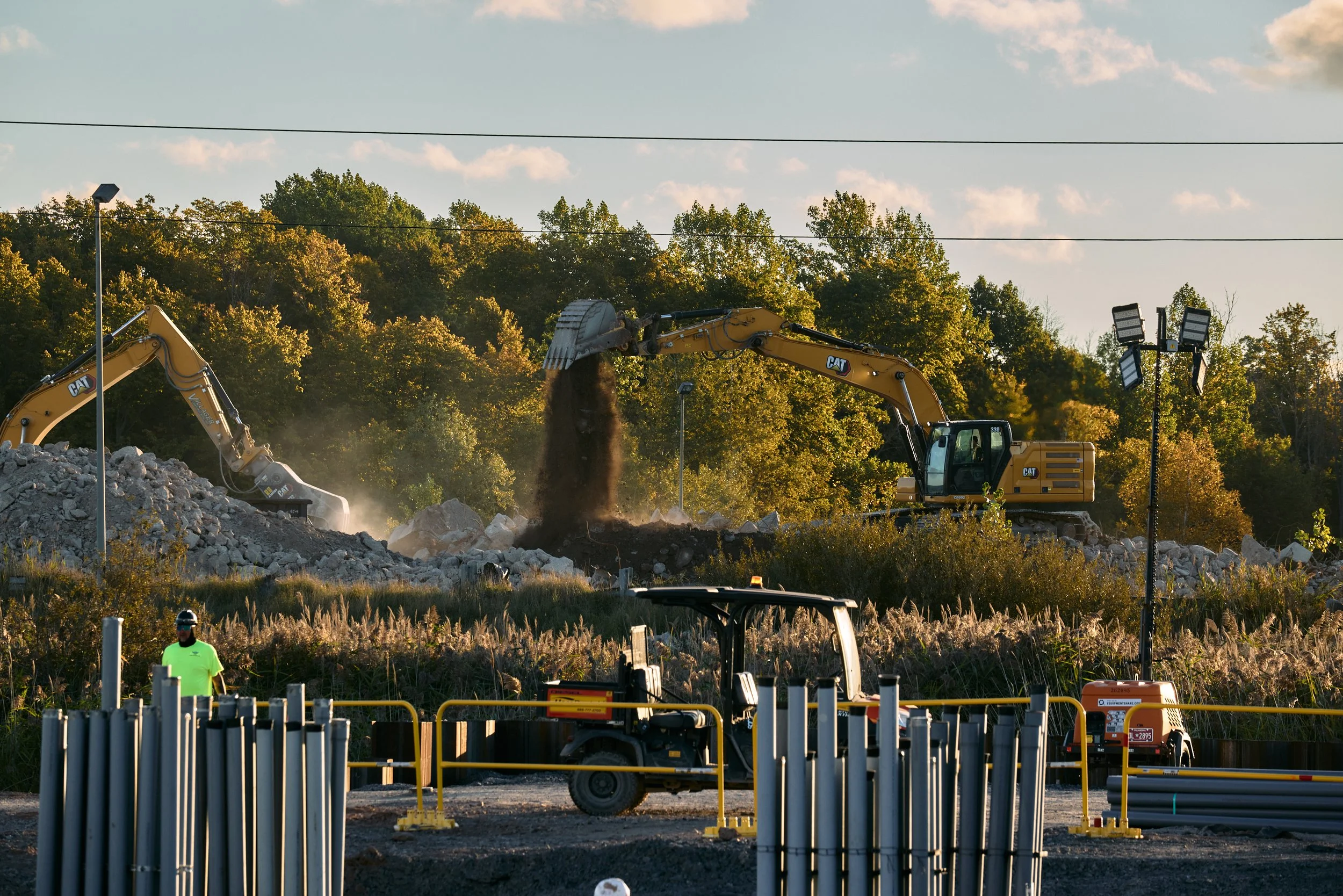
At our Lake Mariner facility, TeraWulf completed the demolition of the old stack and silo structures. Rather than disposing of these materials, we implemented a rigorous recycling protocol:
Grinding & Testing: Structural materials from the demo were ground down on-site and tested for potential contaminants, including heavy metals and chemical residues. All materials were confirmed safe for reuse.
Recycling & Reapplication: The recovered aggregate is now repurposed for secondary construction projects at the site, reducing the need for virgin materials and minimizing transportation emissions.
Sustainable Resource Loop: This initiative exemplifies our circular economy approach—transforming legacy infrastructure into assets that directly support ongoing expansion while minimizing waste.
Operational Recycling Programs
Beyond large-scale structural reuse, TeraWulf has institutionalized comprehensive recycling practices across all facilities:
Cardboard and Pallet Recycling: We recycled approximately 65.36 tons of cardboard and pallets in 2024, diverting significant volume from landfills and reintegrating materials into the supply chain.
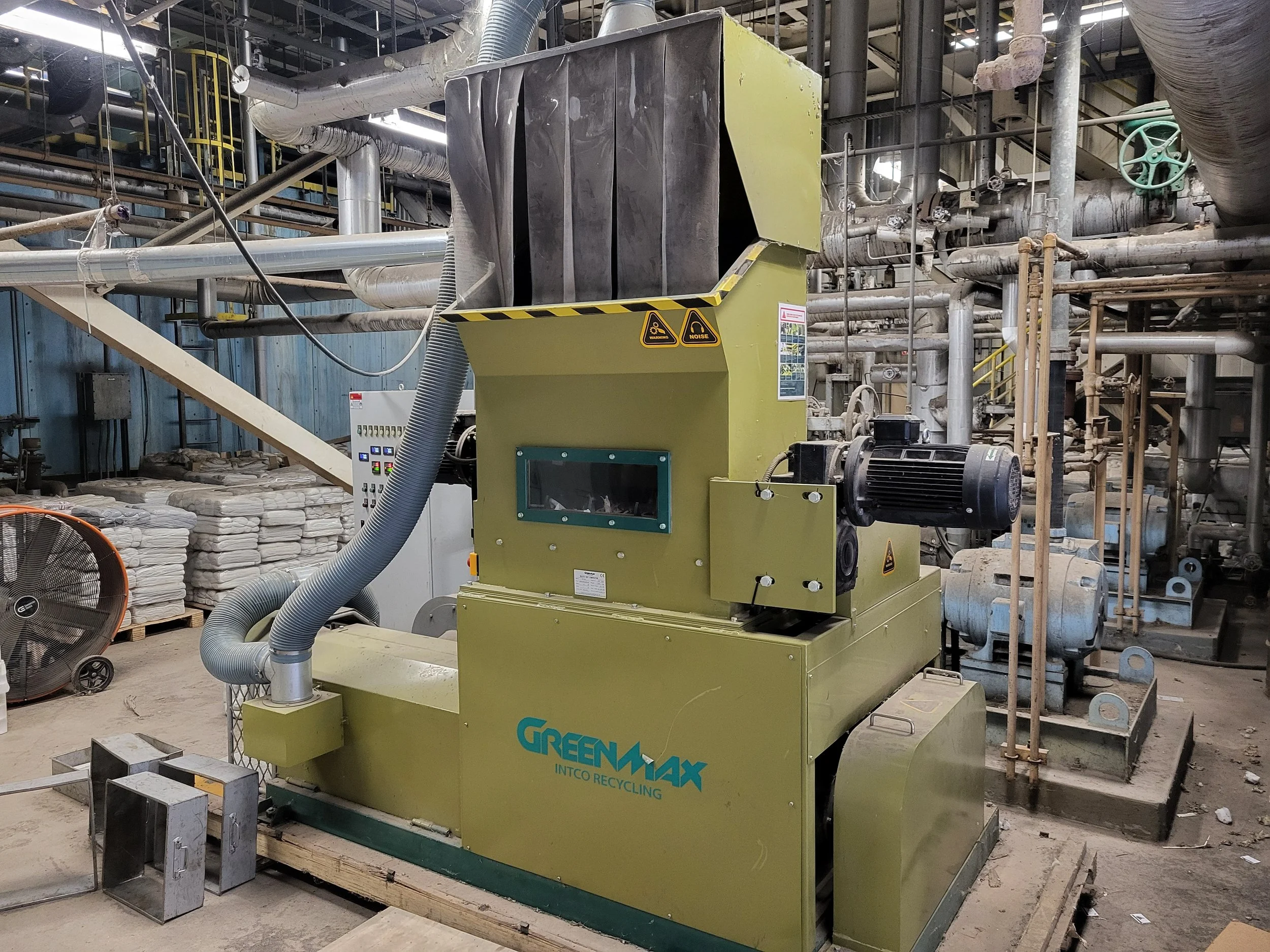
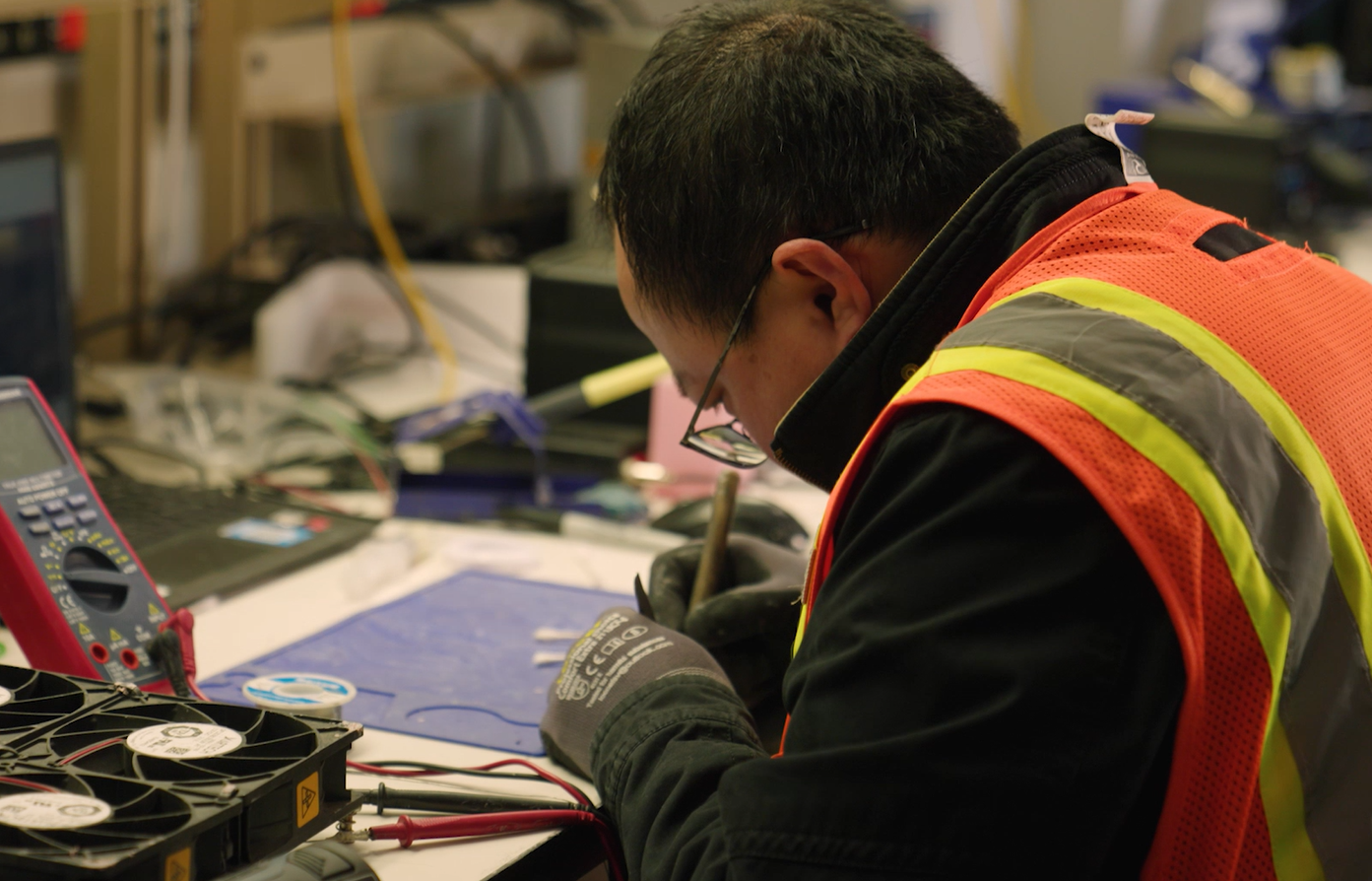
Expanded Polyethylene (EPE) Foam: Packaging materials such as EPE foam are collected, cleaned, and reused for secondary packaging applications, reducing single-use waste and supporting sustainable logistics practices. The picture above shows you our on-site EPE foam melter at the Lake Mariner campus.
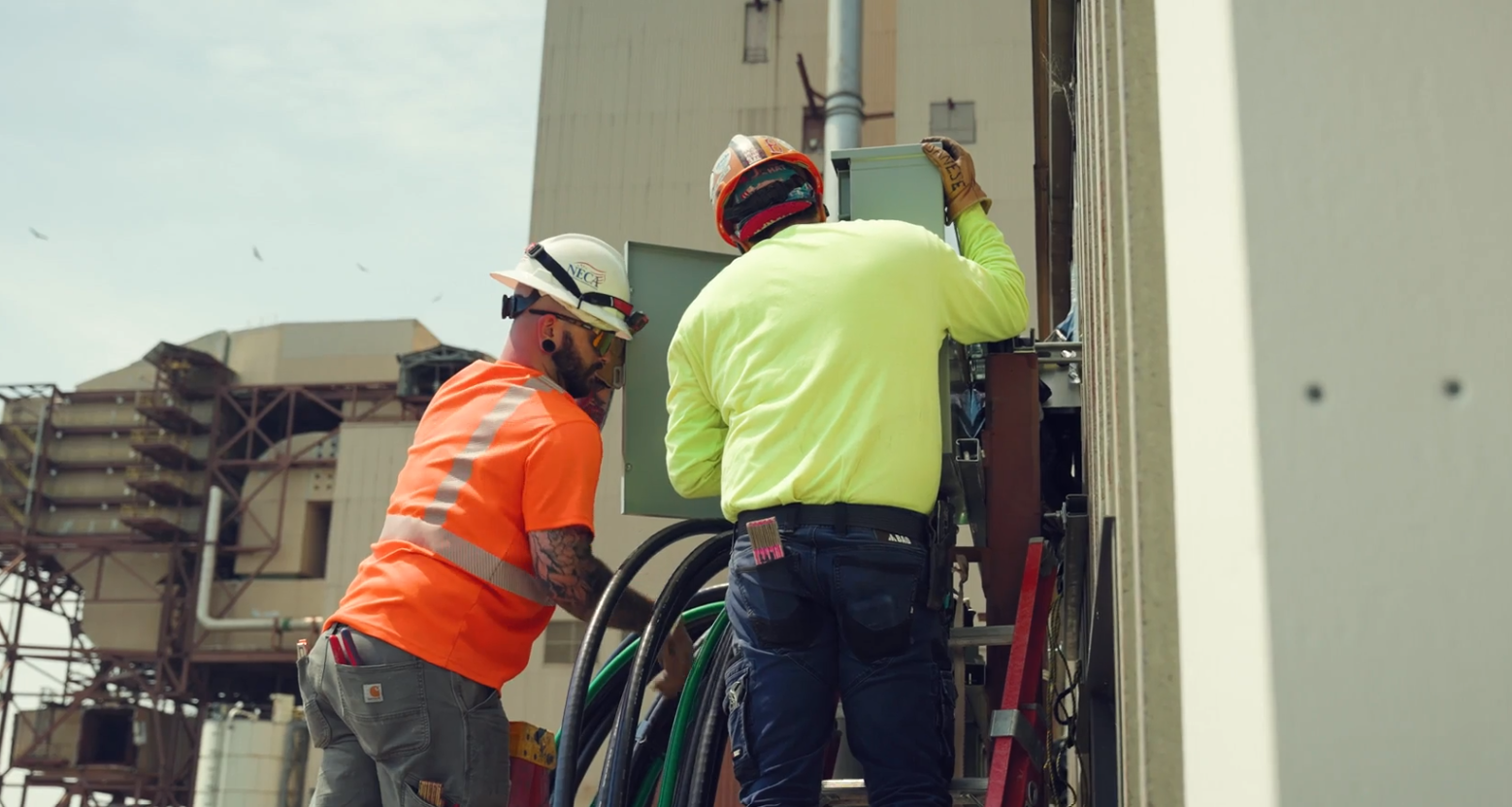
Metals and Plastics Recovery: Enhanced sorting and recycling protocols for steel, aluminum, copper, and plastics result in the reduction of tons of waste that would otherwise be sent to disposal.
E-Waste Recycling and Carbon Reduction Leadership
TeraWulf leads the digital infrastructure industry in responsible e-waste management, which includes initiatives such as:
Refurbishment and Reuse: Outdated IT equipment is refurbished, repurposed, or recycled through certified partners.
Carbon Reduction Impact: These e-waste recycling initiatives earned 8,000 Metric Tons of CO₂ Equivalent (MTCO₂e) credits in 2024, reinforcing our alignment with global decarbonization objectives.
On-Site Repairs: By prioritizing in-house maintenance and component reuse, TeraWulf reduces the environmental footprint associated with off-site shipping and third-party repair processes.
On-Site Dual Batch Plant: Sustainable Construction and Community Impact
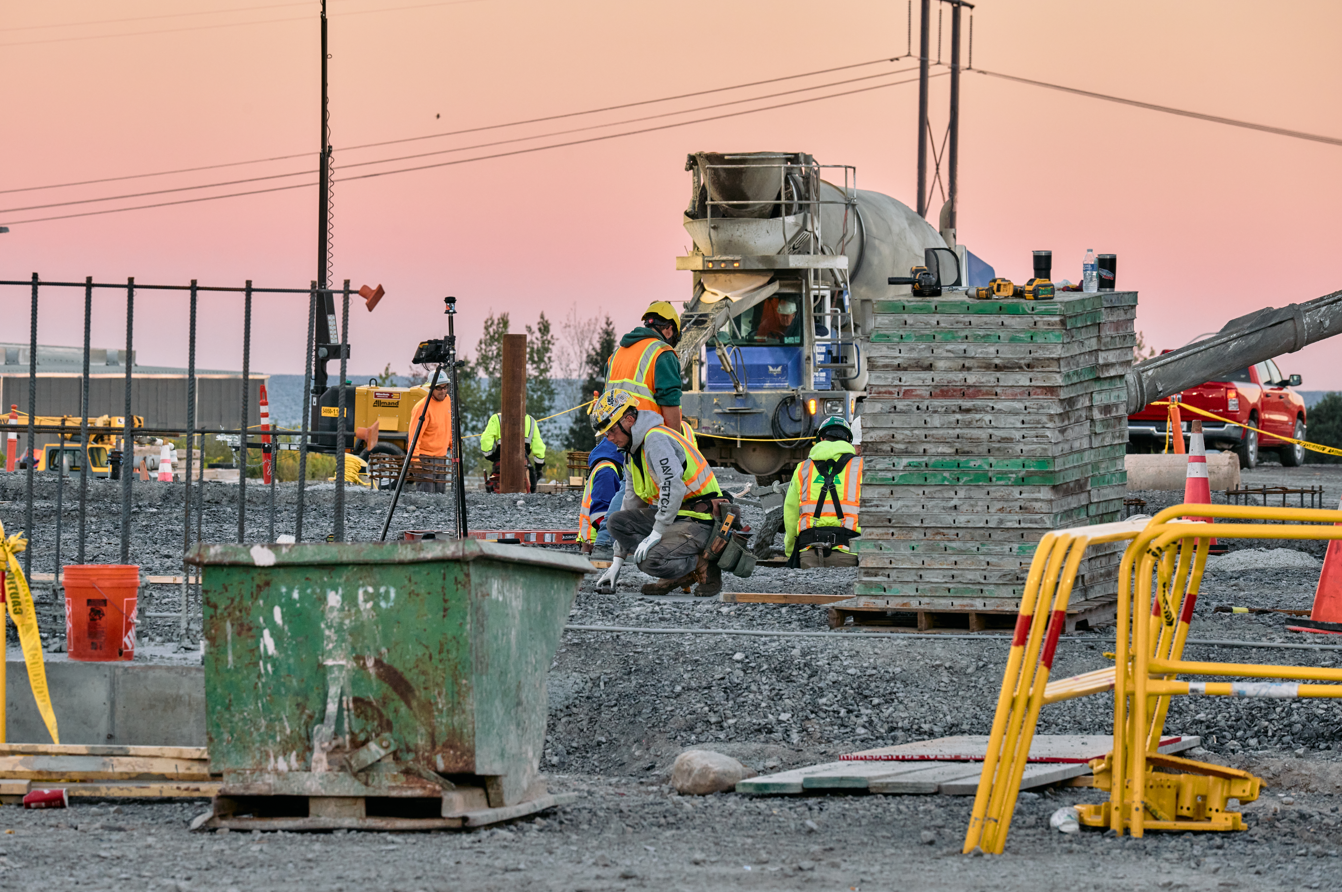
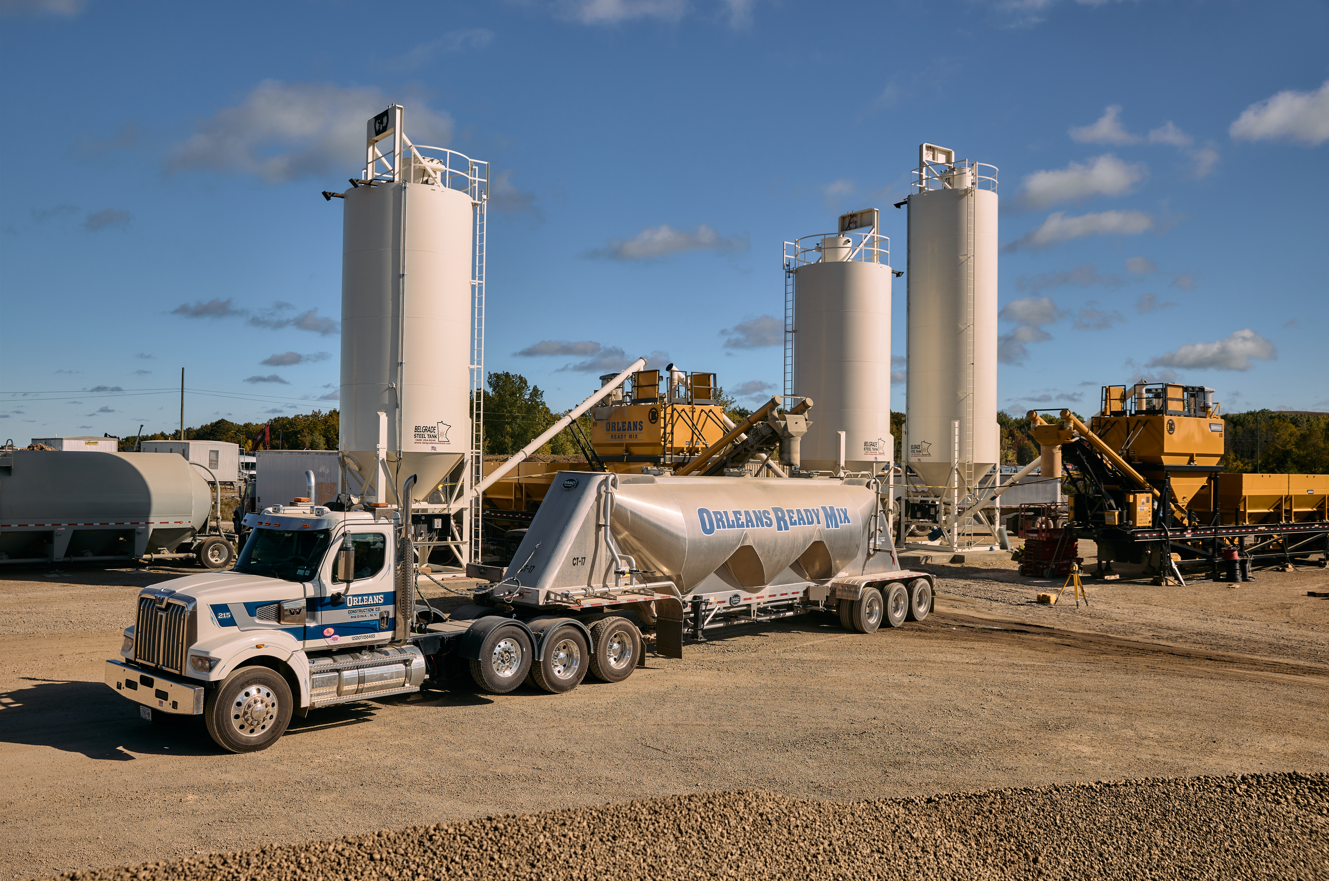
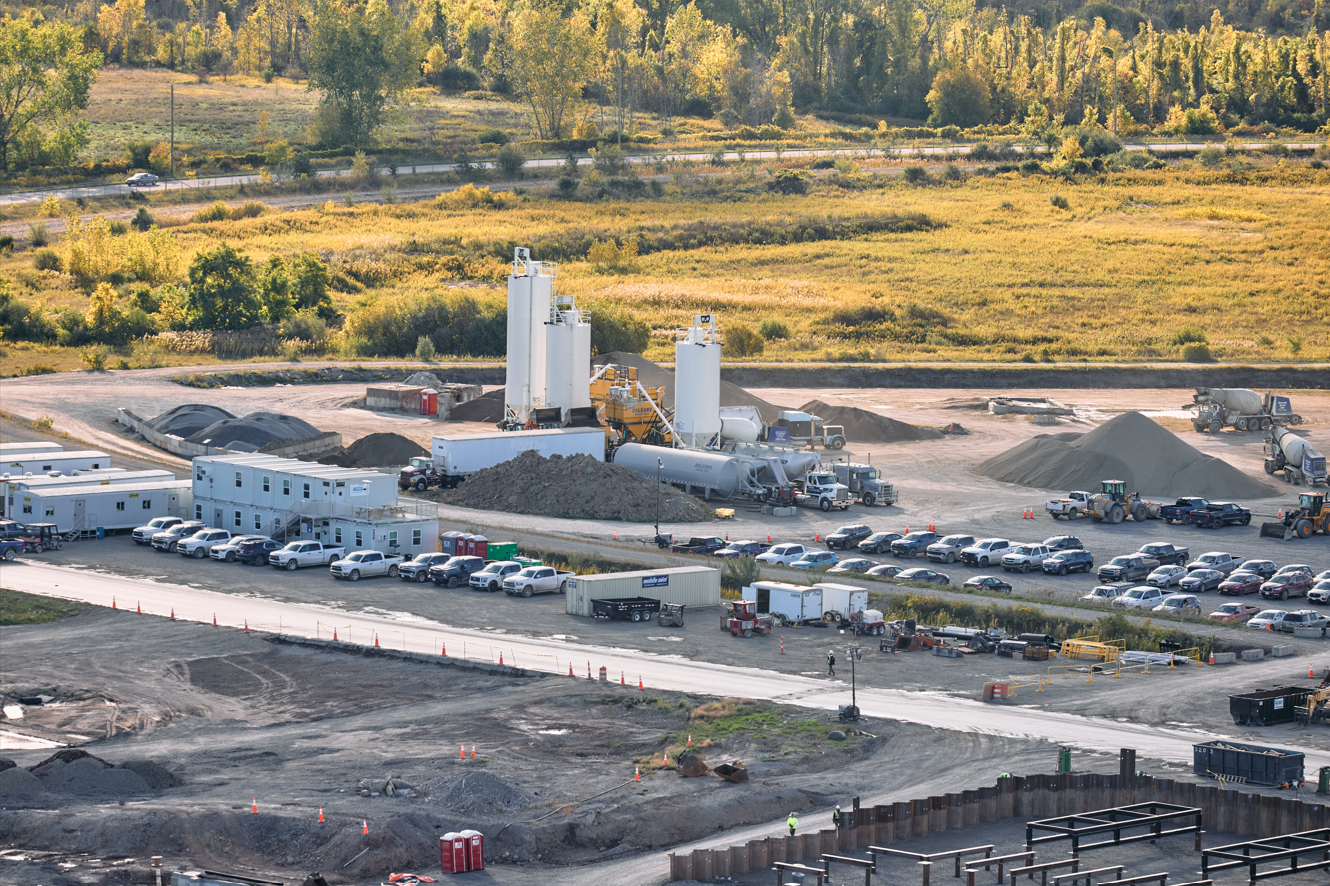
TeraWulf’s commitment to sustainability extends beyond its energy and recycling initiatives to include the construction and infrastructure processes that support its facilities. A prime example of this is the installation of our on-site dual batch concrete plant at the Lake Mariner facility—engineered to produce up to 2,500 yards of concrete per day.
By maintaining an on-site batching operation, TeraWulf eliminates the need for continuous truck deliveries from off-site concrete suppliers, significantly reducing local trucking traffic and minimizing roadway congestion in nearby communities. Every concrete truck remains on-site from batching through pour, meaning there are no daily outbound trips, which helps lower diesel emissions, road wear, and noise pollution—all key factors in maintaining positive community relations and environmental stewardship.
This closed-loop concrete production model delivers several additional environmental and operational advantages:
Reduced Carbon Footprint: By eliminating off-site hauling, the batch plant cuts thousands of annual truck miles, directly lowering CO₂ emissions from fuel consumption.
Enhanced Quality Control: On-site production allows TeraWulf to precisely control material composition and curing conditions, optimizing mix efficiency and minimizing waste.
Minimized Dust & Runoff: Modern filtration and runoff management systems reduce particulate emissions and prevent concrete washout materials from entering local waterways.
Community & Safety Benefits: Fewer heavy trucks on local roads improves traffic safety, reduces noise near residential areas, and limits infrastructure strain on municipal roads.
To further minimize environmental impact and support local economies at the Cayuga campus, TeraWulf plans to source aggregate and bulk materials from nearby quarries and clay pits to supply the on-site batch plant. This localized supply chain further reduces transport-related emissions, decreases heavy truck traffic on regional roads, and ensures a consistent, high-quality material feedstock for sustainable construction.
Smart Resource Management
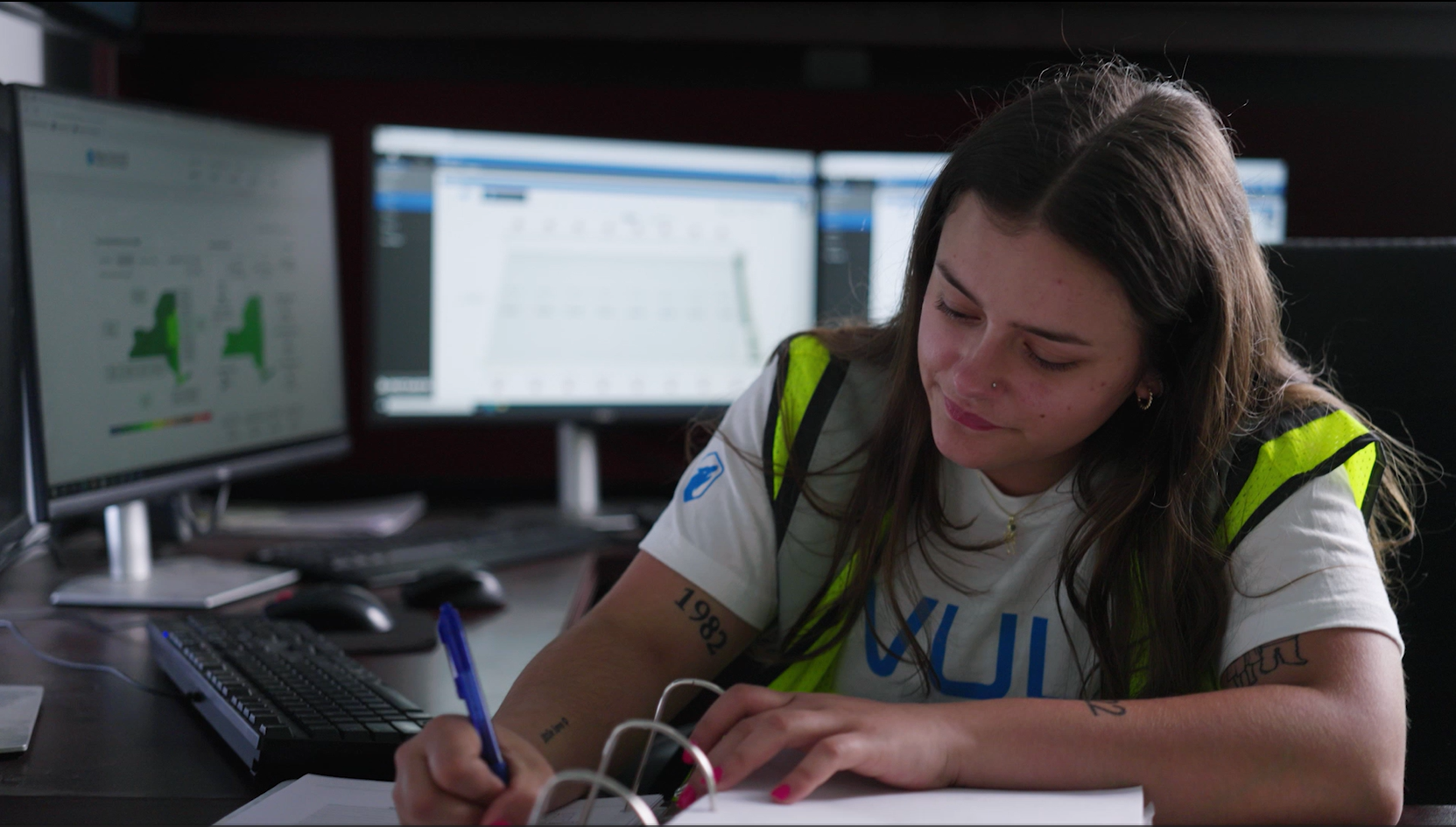
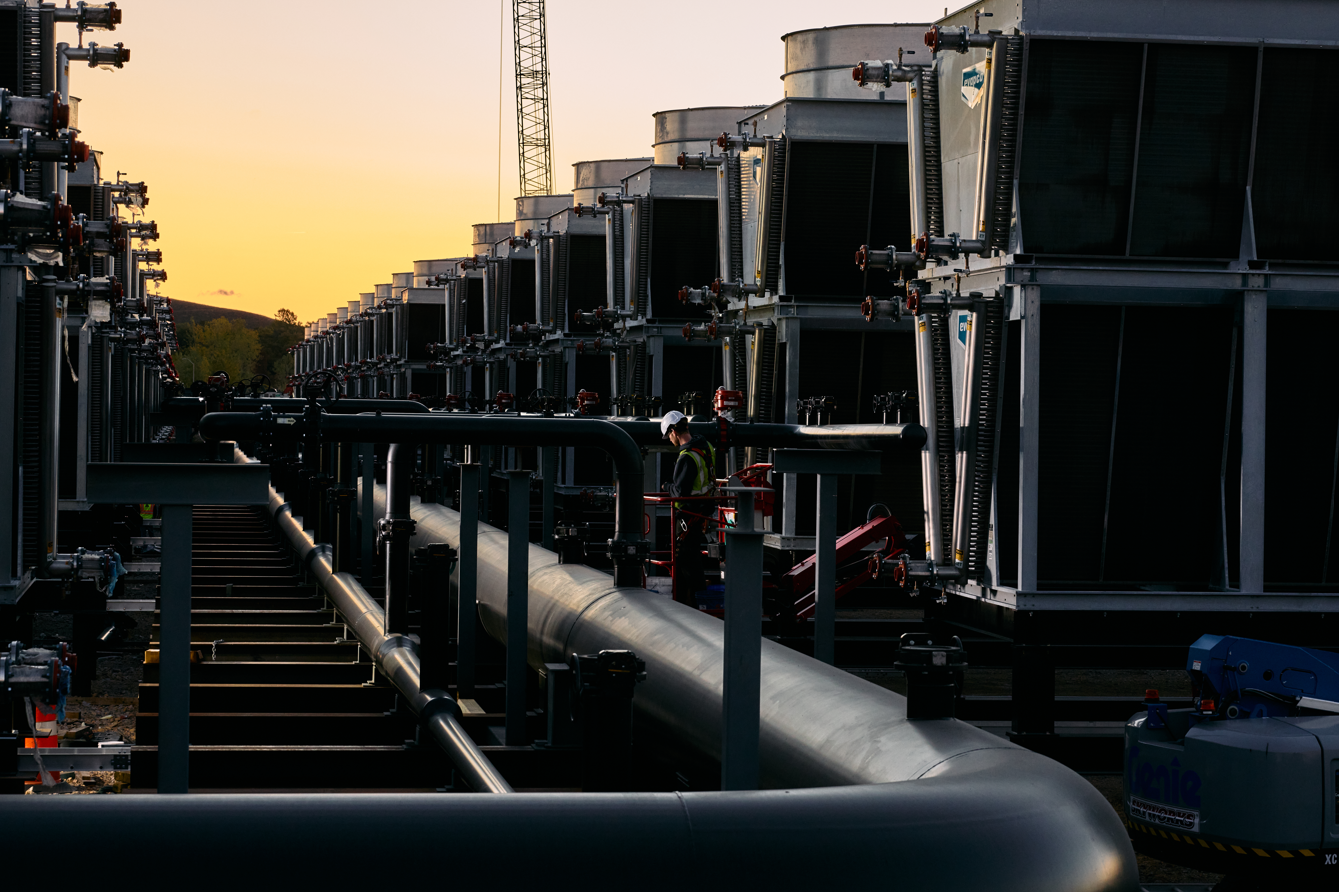
In parallel with recycling initiatives, TeraWulf implemented smart metering at the Lake Mariner facility in 2024, providing real-time visibility into power consumption and supporting expanded participation in demand response programs. For our HPC hosting operations, closed-loop liquid cooling systems and data-driven optimization strategies further reduce energy intensity while consuming minimal to no water for general operations.
By recycling materials, cutting emissions, limiting road congestion, and supporting local suppliers, TeraWulf is working to build a cleaner, more efficient infrastructure that benefits everyone. As we continue to expand, we’ll remain focused on transparency, environmental stewardship, and community partnership.
Together, we can build a future where innovation and sustainability go hand in hand.